








The 2026 Summer Scholars Program (SSP) at the Templeton Honors College was a huge success! Read on to hear from Drs. Moser and Rasmussen, and Officer of Recruitment, Ellen Clune, on how the weeks went.
First Year in Templeton Hall
This was the first year running SSP in Templeton Hall! What did you notice about the flow of the program in this new space?
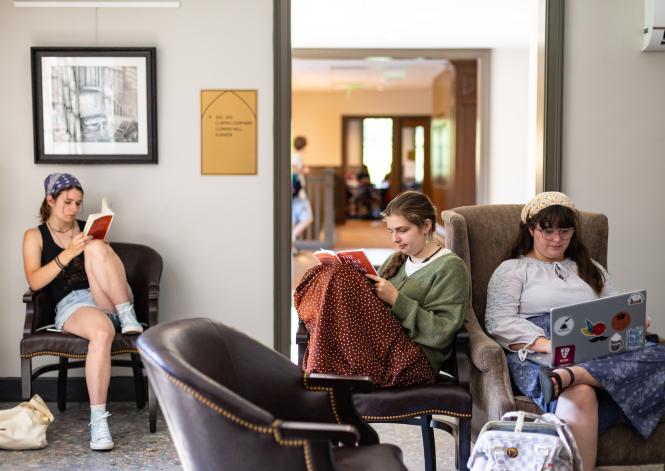
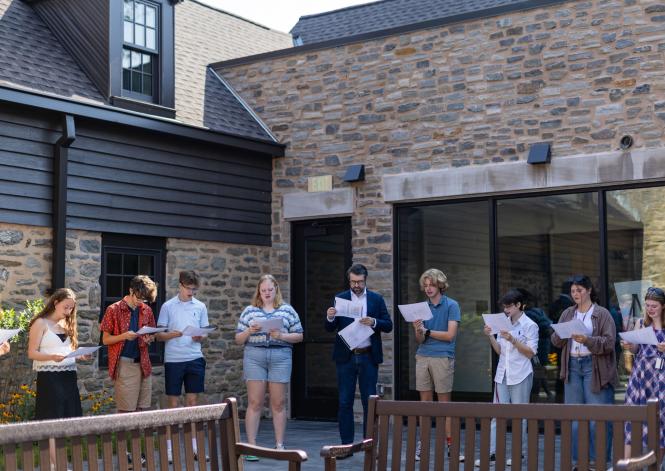
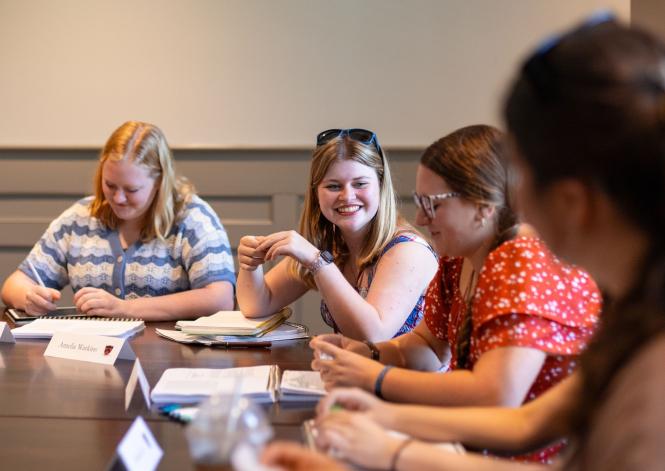
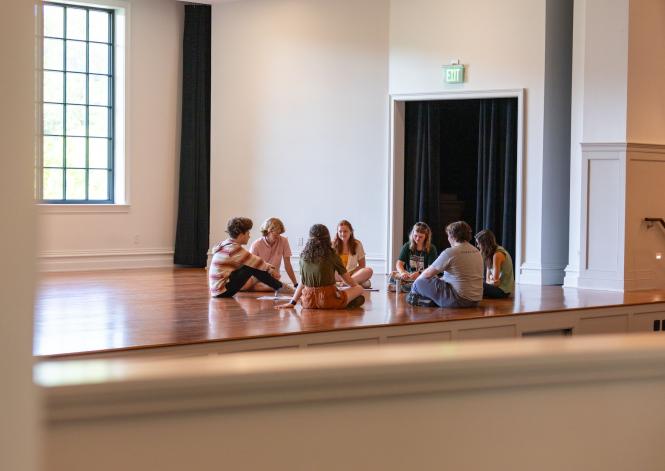
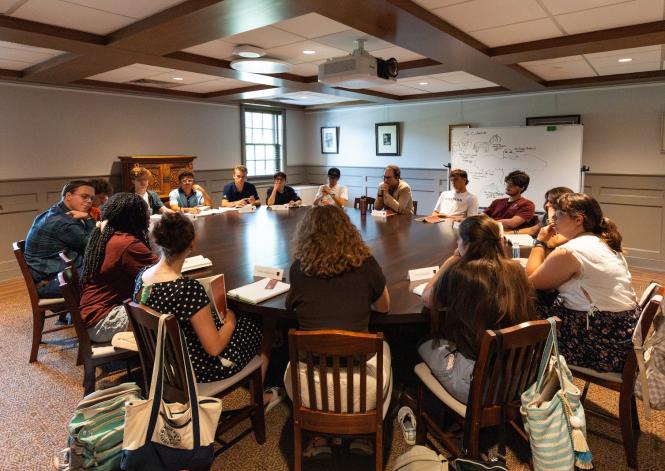
“The building itself was an integral part of the SSP curriculum. From morning and evening prayer in the Claritas courtyard, to discussions around our seminar tables, to performances of A Midsummer Night’s Dream or movie nights in Clemens Recital Hall, Templeton Hall allowed SSP students to learn and to fellowship in a humane and hospitable space.” - Dr. Matthew Moser
“Templeton Hall is a space that exhibits beauty and exemplifies hospitality, and these were gifts to everyone involved with Summer Scholars. Beauty inspires the search for Truth, and the welcoming spaces in Templeton Hall inspired hospitality for each other and for the texts in each course. Plus, we discovered that Templeton Hall is a great venue for karaoke and hide-and-seek, not just reading and seminars!” - Ellen Clune
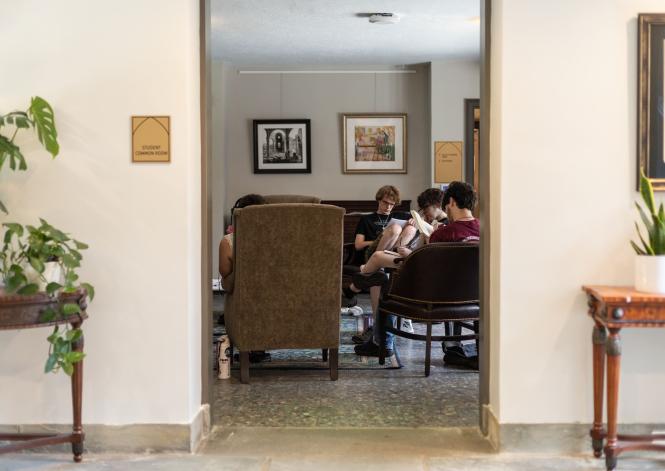
“I would regularly walk through the building and see scattered collections of students reading for their course and then discussing it with friends in a different class. A student reading Tolkien on the value of art and creativity might compare this to a friend reading Freud, or perhaps a student may think of Charles Williams and Dante as friends in the great conversation.The building physically created a space for these connections and it was wonderful to see!”- Dr. Andrew Rasmusen
Lessons Learned
What lessons inside or outside of the classroom did you find made the biggest impression on students?
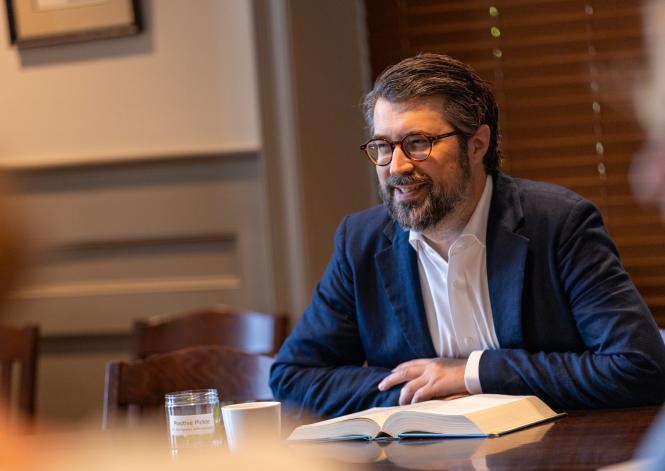
“Students seemed to appreciate the way that different works of the imagination that they read ended up interacting with each other, both within their selected course and, more significantly, across the two courses. For example, students seemed quite surprised and delighted to find that both courses unintentionally were discussing Vergil’s Aeneid at the same time but for entirely different purposes. Students were struck by the breadth of wisdom on many differing topics that classical texts can offer us when we allow them to speak to us from across the centuries.” - Dr. Moser
“The whole experience of Summer Scholars taught our students that education can be about learning for its own sake, not merely oriented towards achievement or a grade. At the end of the course, students expressed that they found this kind of education both liberating and challenging. The stakes are higher in the search for Truth than the pursuit of an A. However, in an environment of conversation rather than competition, students can approach learning as friends and have the freedom to be wrong. This was a new experience for many, and it shaped the way they think about learning and the purpose of education.” - Ellen Clune
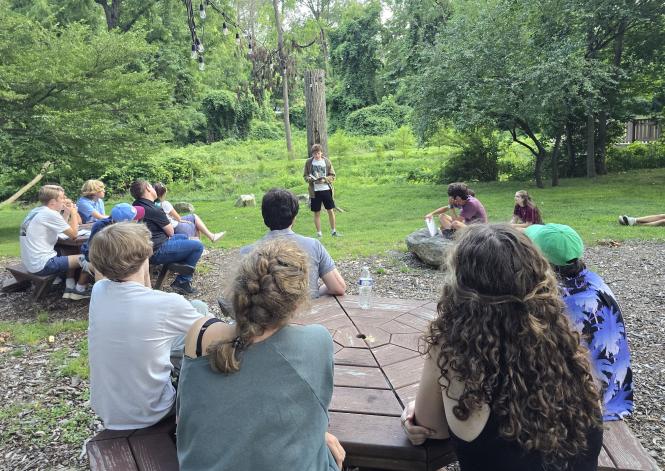
“I think the biggest take away from my class is that art helps us know creation and, therefore, to love creation. We kept discussing the reciprocal nature of love and knowledge, noting then that both tend to generate new creations. We practiced this by writing mythic poems in the fields and flowers of Valley Forge and then reading them together in community…I want to highlight here my students decision (as supported by my excellent TAs) to read their assigned texts together communally. They read them out loud with silly and dramatic voices, playfully participating in the myths precisely as Elves should.” - Dr. Rasmussen
Big Questions
What were some big questions that your students wrestled with during these two weeks?
"Students in the Love in the Ruins course were struck by the experience of aporia. In their final papers, they all reflected on the experience of having their understanding of “love” shaken, leaving them initially confused and disoriented, but then engaged and motivated to think far more deeply than they ever had before about what love is, what makes desire holy, and what it might mean to call God ‘love.’” - Dr. Moser
“There are so many! The biggest question (at the heart of every question, I think) was: What is God like? What does it mean that God is Love? What does it mean for God to be the Creator? In light of these questions, what does it mean that we bear God’s image? How does that affect what we love and what we create?” - Ellen Clune
“The students wrestled with old questions of myth and morality. Can Christians tell stories if stories are lies? Do all stories need to be Christian allegories? What about the dangerous power of fiction to teach us immorality? We took Tolkien's view of artist as "sub-creator" and placed it alongside Philip Sidney's idea of a "second nature," trying to explore how Christians across the centuries have responded to these questions.” - Dr. Rasmussen
Learn more
If you are intrigued by what you have read, be sure to stay plugged into Templeton news throughout the academic year for updates on Summer Scholars 2027!